Community
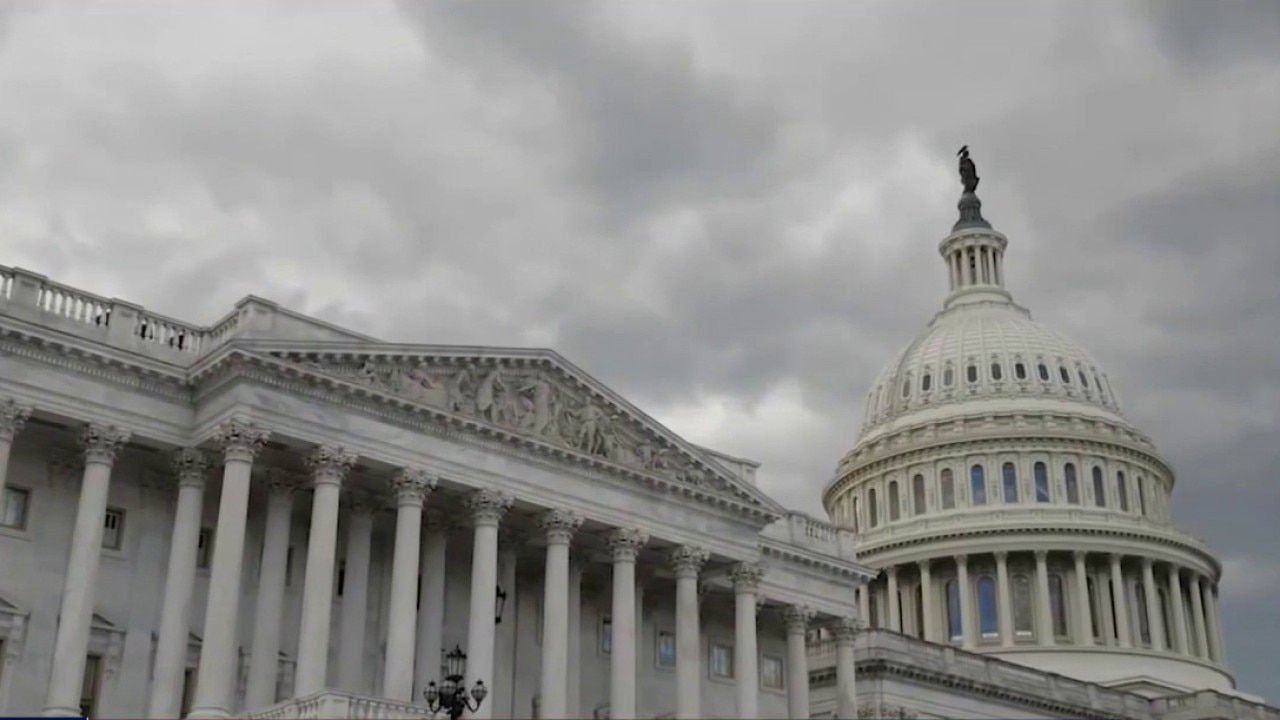
Historic firsts in politics
By Marcus Chen
Advertisement · Why this ad?
Marcus manages the day-to-day editorial workflow across all brands, coordinating coverage assignments and ensuring editorial standards are met. He previously served as city editor at the Pioneer Press and holds a degree in Political Science from Carleton College.
More from Marcus →
On a brisk November evening in Atherton, local residents gathered at a community center, buzzing with excitement as they discussed the recent midterm elections. Among them was Maria Gonzalez, a lifelong resident and first-time voter at 42. "This was my chance to make my voice heard," she said, reflecting on the record turnout of Latino voters that shaped the elections across the country. With over 50% of eligible Latino voters participating, their influence was undeniable, marking a significant shift in the political landscape.
The 2026 midterm elections saw a historic turnout among Latino voters, who played a crucial role in determining key races nationwide. According to reports, this election cycle boasted the largest participation of Latino voters ever recorded in a midterm election. Janet Murguía, president and CEO of UnidosUS, stated, "This will undoubtedly be the largest turnout of Latino voters ever in a Midterm election." Their collective voice not only influenced congressional contests but also led to the election of Latino governors in California and Texas.
In California, Democrat Xavier Becerra triumphed over Republican Steve Hilton, succeeding the termed-out Gov. Gavin Newsom. Meanwhile, in Texas, Gina Hinojosa made history as the state's first Latina governor, defeating Republican incumbent Greg Abbott. Hinojosa's victory marked a significant milestone, as she is also the first Democrat to hold the office in over 30 years.
The driving forces behind this surge in voter turnout included pressing issues such as soaring gas prices, inflation affecting grocery bills, and contentious immigration policies. Christian Arana of the Latino Community Foundation emphasized that these factors resonated deeply with Latino voters, stating, "We showed up, and we made it very clear that we are upset about the economy. We're upset about how our immigration policies are treating our community." This sentiment was echoed by many who felt their daily lives were directly impacted by the decisions made in Washington.
The ripple effects of this historic turnout are being felt throughout communities like Atherton, where local leaders are recognizing the importance of engaging Latino voters. The elections have sparked discussions on how to better address the needs and concerns of this demographic, which has historically been underrepresented in political conversations. As Maria Gonzalez noted, "We want to see our issues prioritized, and we want to be heard."
In Atherton, a town known for its affluence, the Latino community is often overlooked, yet it is growing and becoming more vocal. Local organizations are now focusing on outreach efforts that not only aim to inform Latino residents about the voting process but also engage them in broader civic activities. Groups like the UnidosUS are working tirelessly to ensure that the voices of Latino communities are not only heard but also acted upon. This is a crucial step in fostering a more inclusive political environment that values diverse perspectives.
Political analyst Mike Madrid pointed out that Latino voters are becoming a pivotal voting bloc, often characterized by their independence and willingness to cross party lines. He remarked, "We are really the last true swing voters in American politics." This independence means that candidates must genuinely address the concerns of Latino voters to earn their support, rather than taking their votes for granted.
Despite the progress made, challenges remain. Many Latino voters expressed frustration over the lack of tangible results from previous elections. As Arana noted, "We have an equal distaste for the political parties. There is no love lost for the Democrat or Republican party." This sentiment highlights the need for candidates to move beyond traditional party platforms and engage directly with the issues affecting Latino communities.
Furthermore, the landscape of immigration policy continues to be a contentious topic. Many voters are concerned about enforcement practices and the treatment of immigrants, which remains a priority for many in the community. Addressing these issues will be crucial for candidates looking to secure the Latino vote in future elections.
In Atherton, local leaders and activists are already strategizing on how to build on this momentum. Community forums are being organized to discuss specific issues such as education, housing, and healthcare, all of which disproportionately affect Latino families. Leaders like Maria Gonzalez are stepping up, advocating for policies that reflect the community's needs. "We want to see more representation in local government, and we want our voices to be part of the decision-making process," she emphasized.
Organizations are also focusing on educating younger voters about their rights and the importance of civic engagement. For many in the community, voting is not just a right; it is a responsibility that has been historically denied to many. The enthusiasm seen in the recent elections is a testament to the power of education and community mobilization.
Looking ahead, the stakes are high for both political parties as they prepare for the upcoming presidential election in 2028. Analysts predict that Latino voters will play an even more crucial role in shaping the outcome, making it essential for candidates to develop strategies that resonate with this diverse electorate. As Arana stated, "If I'm someone looking to run for president this morning, I would call my advisors and ask them, what am I going to do to win over the Latino vote this coming 2028?"
Local leaders in Atherton are already discussing how to mobilize the community for future elections. The goal is not only to increase voter turnout but also to ensure that the issues affecting Latino families are front and center in political discourse. By fostering a sense of civic engagement, communities can work towards a future where their voices are not only heard but also prioritized.
As the 2026 midterm elections have shown, Latino voters are a formidable force in American politics. Their engagement signals a shift towards a more inclusive political landscape, where diverse voices are recognized and valued. With continued efforts to address their concerns, the future looks promising for Latino communities across the nation.
One of the most significant aspects of this election cycle has been the mobilization of younger Latino voters. Many local organizations in Atherton have recognized the importance of engaging this demographic, which has the potential to shape future elections. Initiatives aimed at educating young people about the voting process, their rights, and the impact of their votes are crucial. Programs in local schools and community centers are being developed to ensure that the next generation understands the importance of civic engagement.
Local high school students, like 17-year-old Javier Ramirez, have begun to take an active role in these initiatives. "We’re learning about how our voices matter and how we can influence change in our community," he said during a recent forum. His enthusiasm reflects a growing awareness among younger Latinos about their role in shaping political discourse. These efforts are not just about voting; they are about fostering a sense of responsibility and empowerment that can last for generations.
The impact of the Latino vote extends beyond local elections; it has national implications as well. With an increasing number of Latino voters participating in elections, candidates across the political spectrum must recognize and address the unique challenges faced by these communities. Issues such as education reform, healthcare access, and job creation are critical, and candidates who fail to engage meaningfully with Latino voters risk alienating a significant portion of the electorate.
The 2026 midterm elections serve as a reminder that Latino voters are not a monolithic group; they have diverse needs and concerns that must be acknowledged. As political parties begin to strategize for the 2028 elections, they must prioritize outreach and engagement with Latino communities to build trust and foster a sense of belonging.
By Marcus Chen

By Katherine Langford

By Katherine Langford
By Marcus Chen